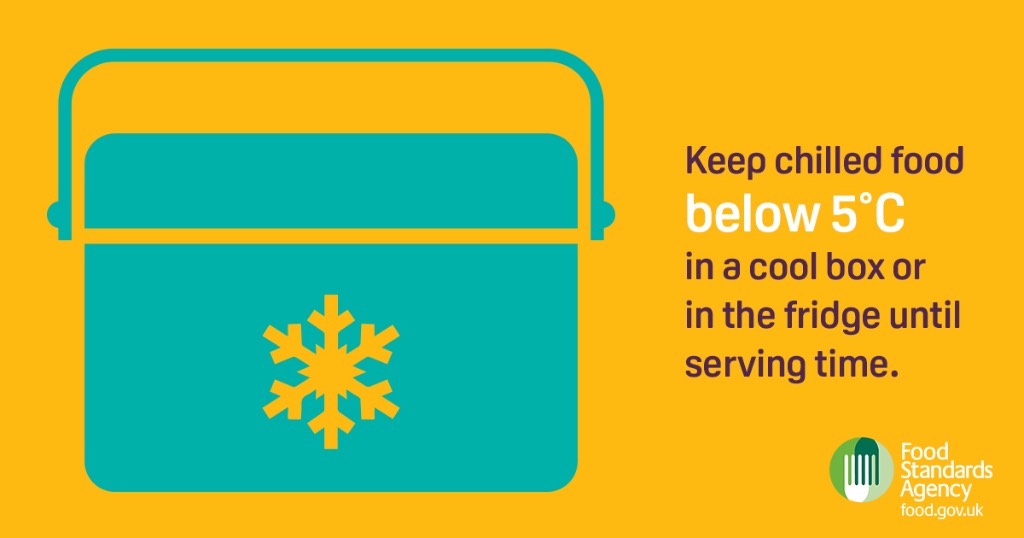
How do you prepare, handle or store the food you take to work with you? When the weather is as glorious and hot as it is at present if you don’t give some thought to what you do, you could be setting yourself up for a summer of discontent &, at best, upset tummies, at worst, serious foodborne illness (& some of these issues apply equally to homemade lunch or shop bought items if not eaten straight away).

It has been estimated by the Food Standards Agency that in the UK over 11 million working/school days a year are lost due to foodborne illness – Don’t be one of the statistics!
Ask yourself these simple questions:
When you pack your lunch, do you use an insulated or thermal bag?
When you pack a lunch that contains protein items (meat, fish, eggs, cheese, poultry etc.) do you use an ice pack or some other method of keeping your food cold?
Do you always throw away lunch-box leftovers, especially perishable items?
Do you always wash out the inside of your lunch box with detergent & hot water?
If you answered “NO” to any of these questions, you are not alone but may be headed for trouble, please read on.
Using a clean, insulated lunch box along with frozen ice packs are your best bet to help keep your edibles at a safe temperature until lunchtime.
Unfortunately, in a study carried out by the University of Texas looking at the lunchboxes of over 700 preschoolers it was found that over 90 percent of the perishable items in the lunch bag were at an unsafe temperature by the time the children were enjoying their lunch. So it was no surprise that researchers uncovered that almost 40 percent of the lunch boxes didn’t have an ice or cool pack of any sort.
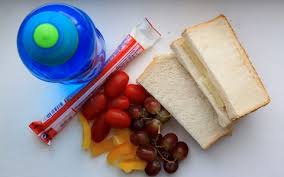
Since the immune systems of young children are not full developed, they are not only at a higher risk for foodborne illness but typically also have more serious reactions than adults. Pregnant women, older adults, and those with chronic illnesses, such as diabetes, can also have weakened immune systems, which can mean they may be more susceptible to food poisoning or foodborne illness.
To lower your risk for food poisoning, these tips will help you pack a safe lunch:
- Use an insulated, soft-side lunch bag or box
Which are best for keeping food cold, according to the FSA.
- Always use ice packs.
Perishable foods such as yoghurt, meats, cheeses and cut up fruits and vegetables, should remain chilled at 8 degrees C or below for as long as possible to slow down the speed at which dangerous bacteria will multiply. Ideally an ice pack should be used, this can be boosted by freezing drinks cartons or yoghurts etc.
- Store your lunch in a refrigerator where possible.
If available, you should store your packed lunch in the refrigerator or if no fridge is available keep it as cool as possible.
- Forget about bringing home leftovers.
Perishables that are left out at room temperature for more than two hours should be thrown away as they are no longer safe to eat. High sugar and wrapped items like confectionary, biscuits, crisps etc will be fine to eat another day.
For further information have a look at the Food Standards Agency website there’s plenty of information to help.