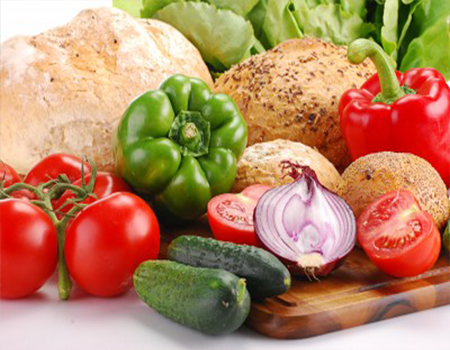
At this time of year there is a glut of wonderful fresh fruit and veg, especially the homegrown stuff because it’s free, most growers/cooks/parents appreciate we can’t live off poached pears and apple crumble day in day out till it’s gone & know we need to find ways of making sure we can carry on enjoying all this lovely food in the months ahead.
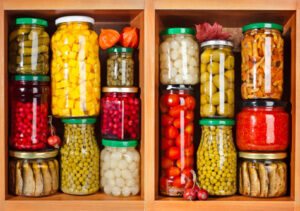
There are many ways of extending the “shelf life” of food (keeping it fresh for longer) like making jams and jellies, pickles and chutneys, but perhaps one of the easiest is to freeze surplus foods.
BUT before even thinking about “to freeze or not to freeze” there is a major challenge to face: first we have to go through the freezer that is probably already full to the brim and clear out the “undesirables”! The freezer was never intended to be the final resting place for food, where it lingers lost and lonely, never to return to the world of the dining table.
So let’s go through a few basic “food safety” facts; freezing food does not kill any food poisoning or dangerous bugs or bacteria that might be in, or on, your food, but they do become dormant, so they are in a sort-of suspended animation, not growing, not dangerous, but also not dead. So anything that might have had harmful bacteria in/on it when it went into the freezer (like raw meat or poultry) will still have harmful bacteria in/on it when it comes out so “handle with care”! (and that’s a whole different Blog post).

If bacteria are dormant there may not be a food safety issue keeping food frozen year after year, however there is definitely a food quality issue in leaving your precious products to loiter in the freezer for prolonged periods of time – ever heard of “freezer burn”? That’s when forgotten or old frozen food gets that unpleasant dry, spongy look – it won’t harm you, but it doesn’t look great, taste good, or have a great texture if you defrost & cook it – and that’s why frozen food has “Best Before” dates that tell you the date before which the product will be at its best quality. (Not a “Use By” date as there is no food safety issue from dormant bugs so it’s not going to kill you – and that is yet another whole different Blog Post).

There are very few products or food items that would have a lifespan of a year or more in the freezer – raw whole meat joints, whole poultry and products that are professionally prepared and wrapped are amongst them. Most of the other stuff is only really good for 2 – 3 months or so, especially things you freeze yourself, (unless you have a vacuum packing machine) because it is the presence of oxygen/air that increases the speed at which freezer burn occurs & therefore how quickly the quality of your food deteriorates.
So – dive head first into your freezer, take out the ice blocks for the picnics & wine coolers and be ruthless; remove all the unidentifiable stuff, food that’s been in there since the dawning of freezer time, things that have fallen out of bags, things that have just been wrapped loosely in one sheet of cling wrap & look suspect and start over again.
Now, I hate throwing away food, but let’s remember what we are trying to achieve; a fresh start – so you can cook it & eat it, or you can ditch it – let’s face it, it’s been residing in the bottom of the freezer for months so it can’t be that precious, but whatever you do please don’t just transfer it to the fridge for a week or so before deciding to eat it because believe me that bacteria will not be dormant anymore and you will suffer the consequences.
So now you are prepared here are some House Rules for future residency:
- If it goes in the freezer label it with what it is & the date, don’t assume you’ll remember what it is and when you put it in, because you won’t.
- Make sure whatever you freeze is well wrapped – remember if air can get to it this will speed up the process that will affect the quality.
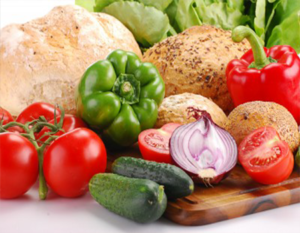
- Anything with a high water content does not freeze well e.g. onions, spinach, celery, tomatoes, peppers, fresh herbs etc., so only freeze if you’re going to cook them or if they are already included in a cooked dish like a bolognese sauce for example.
- Many fruits do not freeze well, but a few tips are frozen grapes are lovely as a cooler in hot weather. Lemons/oranges/limes don’t freeze well, but the zest does and is handy bagged up in the freezer. Fresh ginger freezes well, but is best used grated from frozen direct into your recipe.
- Any sauces or gravies thickened with corn flour will separate (not pretty) so don’t freeze these.
- If preparing a pasta dish specifically to freeze, undercook the pasta, it will be perfect once defrosted & cooked – otherwise it will be mush.
- Wet dishes (those with sauces) always freeze best & don’t get freezer burn so quickly.
- Always remember to cool food thoroughly before freezing as this will protect your food already in there and also means you get smaller ice crystals – which is a good thing when the food is thawed out again (less mush).
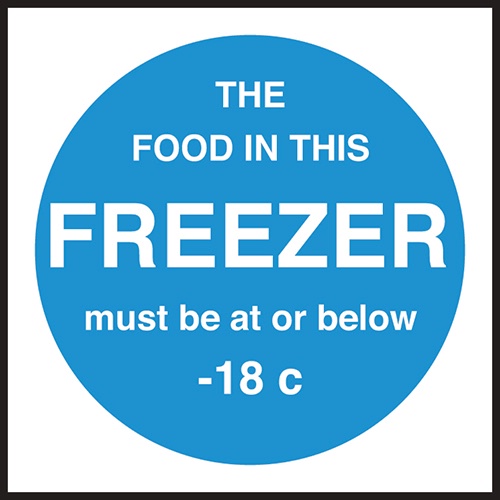
- If you don’t have a frost free freezer, defrost it regularly – too much ice is not a good thing, it means the freezer won’t work as well & can prevent doors/lids closing effectively meaning your freezer won’t maintain temperature.
- And rotate the contents – that doesn’t mean turn it over, it means use the food in a timely manner – don’t throw things in and never use them until we go through the same process this time next year.